
Douglas County Arrest Warrants Explained
An arrest warrant tells officers to take someone into custody and bring them before a court. In Douglas County, that order grows out of a complaint or affidavit under Nebraska's probable-cause framework. A judge or magistrate reads the facts. If the showing is enough, the warrant enters the court and agency systems that track service. It is not the same thing as a search warrant. That separate order authorizes a search of a place, a person, or property. The public case record can carry the complaint, the charge, the register of actions, the warrant event, a hearing, bond, and the disposition. Some sheriff fields stay out of view. Ask the issuing court to walk you through the record, and check with DCSO or dispatch for current operational status.
Douglas County Probable Cause
Douglas County Sheriff's policy defines probable cause as facts and circumstances making it more likely than not that a person committed, or is committing, a crime. A hunch does not qualify. The complaint or affidavit lays out those facts for the judge or magistrate to weigh. Separate rules cover warrantless arrests in certain situations, though those rules do not make every arrest a warrant case. Read the court record in context. A filing, a charge, and a warrant entry may show up at different points in the docket. The Nebraska criminal-procedure statutes set the state framework, and the local clerk can name the next action on the case.
Inside a Douglas County Arrest Warrant
The Douglas County sheriff posts no live listing you can read field by field. Court-side details are more reliable to describe. A record may name the case or cause number, the issuing judge, the complaint or charge, a hearing, a bond entry, and docket status. Ask before assuming any field is public or current.
| Cause or case number | The court reference used when asking about the matter. A sample stamp, 2025-CR-01234, is illustrative only. |
|---|---|
| Charge | The offense description or classification tied to the complaint. |
| Issuing judge | The judge or magistrate who reviewed the process. |
| Bond | The release condition, if set, or a note that judicial action is needed. |
| Status | Active, served, recalled, quashed, or another court or agency label. |
| Agency | The sheriff, police, or other authorized agency that may serve the order. |
The Douglas District Court directory is the right local starting point for felony-file questions.
Douglas County Complaint to Court
The local sequence is complaint or affidavit › judge or magistrate review › warrant in court and agency systems › service attempt or arrest › DCDC booking, magistration, or bond › continued case action. The contact point changes at each stage. The clerk can explain a docket. DCSO or dispatch can confirm an operational warrant. The judge or court controls recall, quash, new settings, and the underlying case.
The Omaha Police Department and other authorized agencies may serve warrants within their authority. DCSO policy goes further. Deputies may execute Nebraska misdemeanor and felony warrants anywhere in Nebraska. The policy also covers transfer and extradition for out-of-state matters.
Serving Arrest Warrants in Douglas County
Douglas County Sheriff's deputies, Omaha police, and other agencies may each serve warrants within their own authority. Status checks run around the clock. DCSO policy says dispatch can verify a local warrant at any hour, and the Fugitive Warrants Team handles checks on weekdays. After a valid warrant arrest, the person goes to Douglas County Department of Corrections intake and booking. The sheriff's website carries no public warrant page to consult. Serving the order does not end the case. A court appearance, bond, or counsel may still be needed even once the warrant is served. Ask the issuing clerk for the next date, and ask DCSO where the order will be processed.
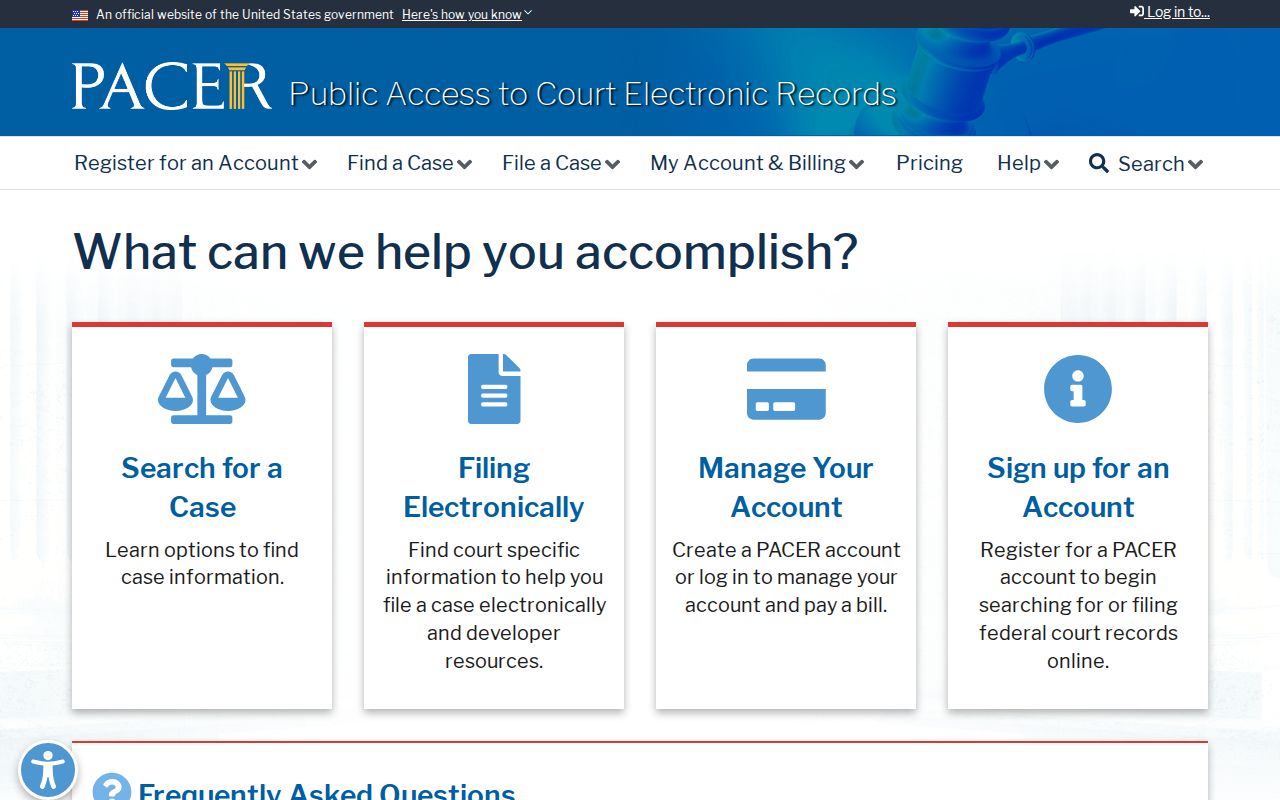
A docket image is a research aid. It is not a Douglas County arrest-warrant roster, and it will not confirm current status.
Comparing Arrest, Summons, and Bench Warrants
A summons just asks a person to appear, with no direction to arrest. An arrest warrant orders officers to take the person into custody. A bench warrant is a judge's enforcement tool, usually tied to a missed appearance or other noncompliance. In Douglas County, the issuing court and the docket wording matter far more than any label copied from a third-party result.
| Process | Typical start | Question to ask |
|---|---|---|
| Summons | Court notice to appear | When and where is the appearance? |
| Arrest warrant | Complaint, affidavit, probable cause | What court and bond process applies? |
| Bench warrant | Missed date or court order | Can the court set a new date or recall it? |
Douglas County Arrest Warrant Bond
Bond depends on the case. DCSO policy is blunt: a person held on a valid warrant stays in custody until the bond requirements are satisfied. The Nebraska Judicial Branch adds that cash is required for payment of bond or fines and costs after a warrant issues. Confirm the amount, type, payment location, accepted instruments, and hours with the court or DCDC before relying on a figure from a different case. Out-of-state warrants follow a special rule in Douglas County. A foreign-court warrant does not permit bond at booking. County Court takes up bond after arraignment on the fugitive charge, and extradition may shape the timeline.
If There’s an Arrest Warrant for You
Call the issuing clerk and ask about counsel, a planned appearance, bond, or surrender instructions. Then confirm status through DCSO or Douglas County 911. Never pay a caller by prepaid card, cryptocurrency, or an unknown link. Use an official court or sheriff phone line. If the charge is serious or the warrant details are unclear, talk to counsel before choosing a course.
Confirm first. The sheriff can verify operational status, but the issuing court controls the charge, bond order, recall, and next hearing.
Douglas County Federal Distinction
Federal arrest warrants do not belong to the Douglas County trial courts. They come from the United States District Court for the District of Nebraska, and the U.S. Marshals Service serves them. PACER and CM/ECF can show federal docket activity where it is public. CourtListener and RECAP may help with docket research. No free docket source is authoritative for current warrant status, though. Use the federal Omaha court contact or counsel for a federal concern. Never blend a federal docket result with a county sheriff answer.
Douglas County Arrest Resolution
Get the paperwork after any Douglas County warrant action, whether that is an appearance, a bond, a recall, or a quash order. Keep your copy. Ask the issuing clerk when the docket will reflect it, and ask DCSO or dispatch whether the operational record changed on their end. A warrant action does not dismiss the case itself. A fine or bond payment can still leave a new court date, a supervision term, or another order in place. Nebraska statute section 29-2412 helps in one spot: it provides an ability-to-pay hearing for certain fine and cost warrants after arrest. That protection covers only the cases the statute describes. Ask the court whether your record fits it.